
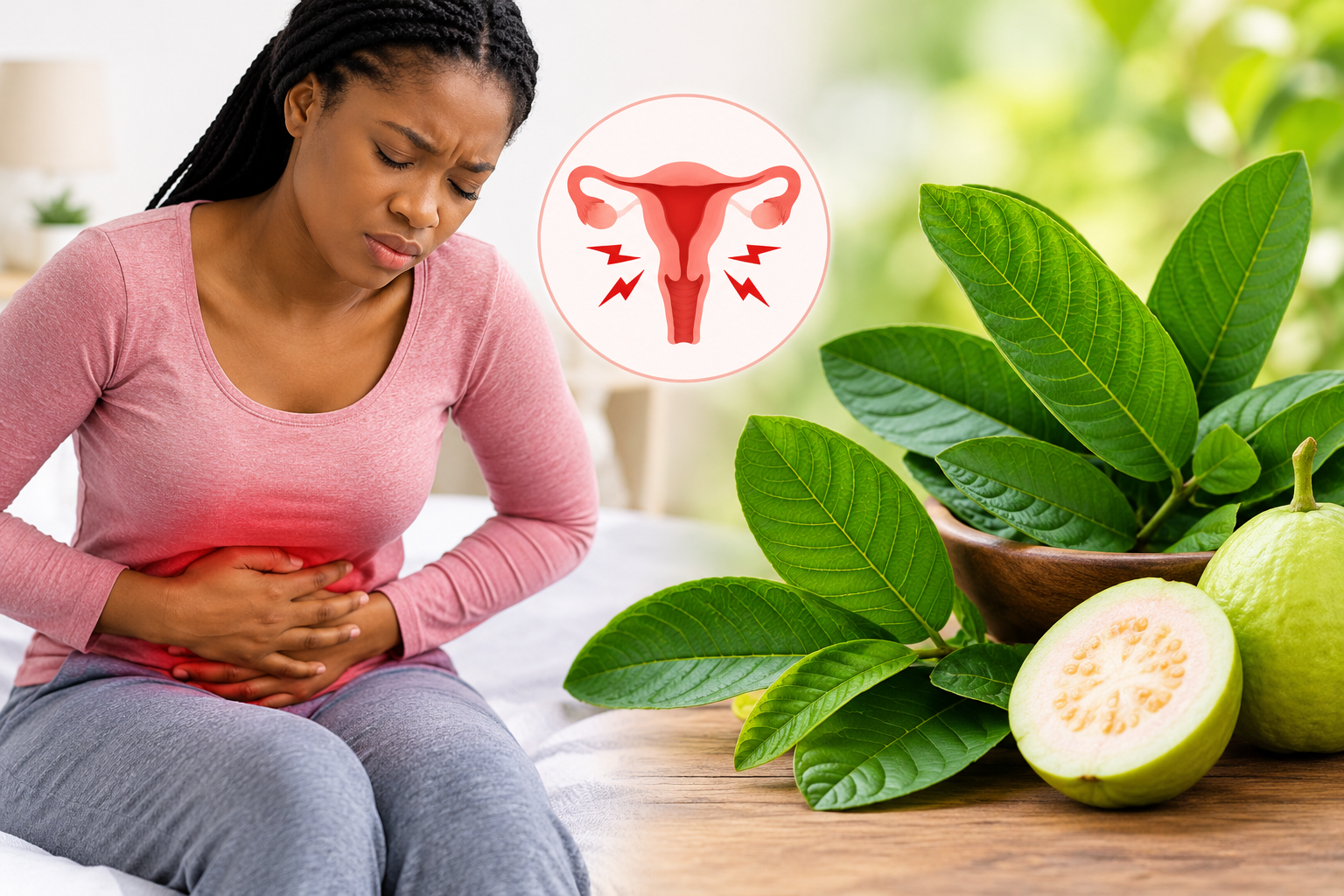
Explore the traditional use of guava leaves (Psidium guajava) for menstrual cramps and discover what scientific research...
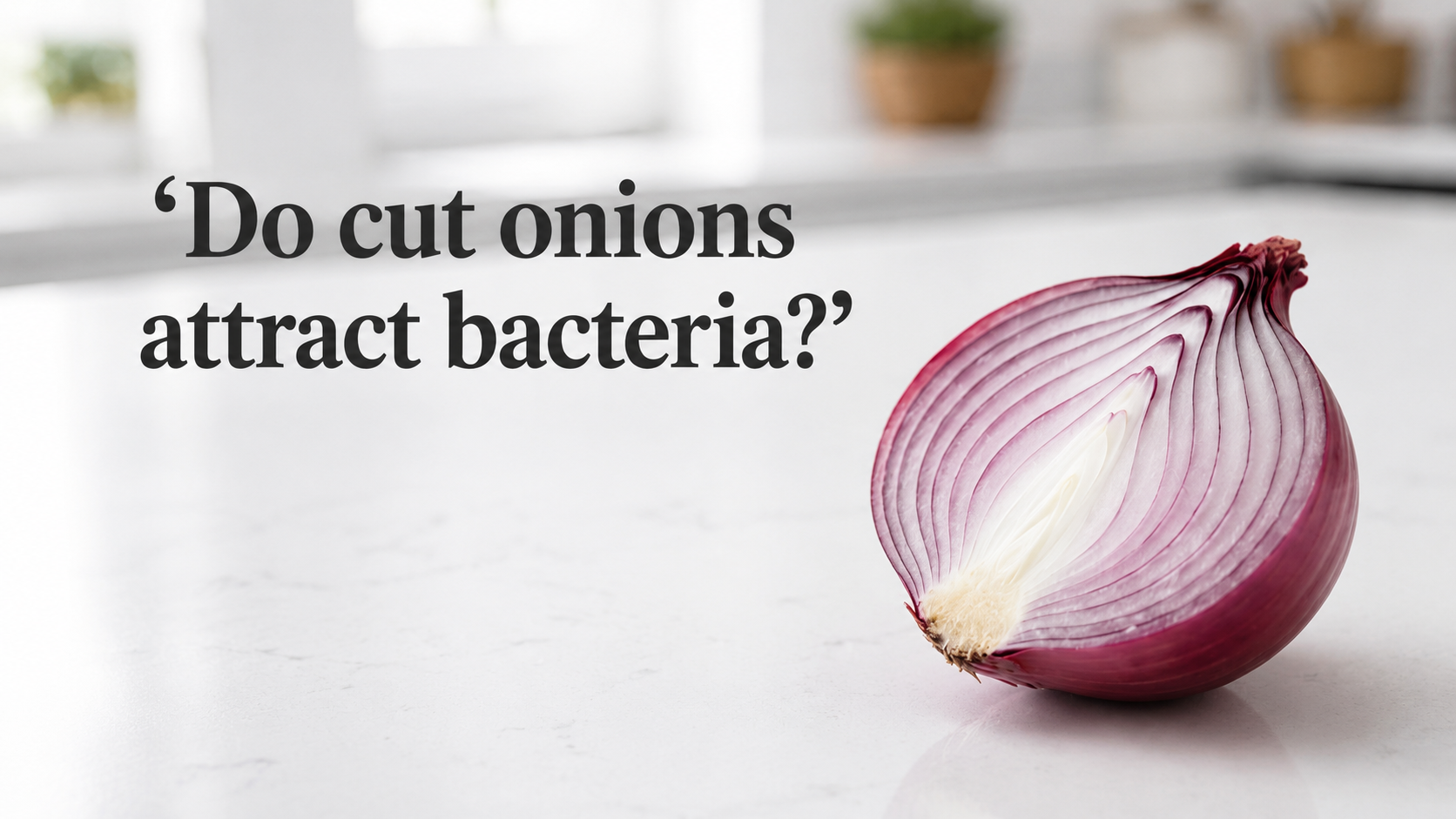
A common belief claims that a cut onion acts like a “magnet,” attracting bacteria, viruses, germs, or even toxins from the air. Some versions of the claim warn people never to eat leftover cut onions because they supposedly become loaded with dangerous bacteria overnight.
But what does food safety science actually say?
The short answer is cut onions do not actively attract or absorb bacteria from the air. However, like other fresh produce, onions can become contaminated through improper handling and should be stored safely.
There is no scientific evidence that cut onions function as magnets that pull bacteria, viruses, or toxins out of the surrounding air.
Food contamination does not generally work this way. Microorganisms do not simply become “attracted” to an onion because it has been cut.
The myth has been widely examined by science communicators. McGill University's Office for Science and Society notes that the idea of onions acting as “bacterial magnets” has no scientific basis.
This does not mean that onions are immune to contamination. Any food can become contaminated if harmful microorganisms are introduced to it.
The most important sources of contamination are usually hands, knives, cutting boards, kitchen surfaces, water, and contact with other foods.
For example, if someone handles raw meat and then cuts an onion without properly washing their hands, microorganisms can be transferred to the onion. The same can happen when a contaminated cutting board or knife is used.
The U.S. Food and Drug Administration (FDA) produce safety guidance recommends washing hands, utensils, cutting boards, and food-preparation surfaces and keeping fresh produce separate from raw meat, poultry, and seafood.
Therefore, the major concern is not that an onion magically attracts bacteria. The concern is ordinary food contamination and cross-contamination.
Cutting produce changes its physical condition. The protective outer layers are broken, and the interior becomes exposed.
Fresh-cut produce can have more opportunities for contamination during handling and processing. The FDA recently emphasized that fresh-cut produce can be susceptible to contamination introduced during growing, transport, processing, retail handling, and other stages. (U.S. Food and Drug Administration)
However, it is important not to exaggerate this fact.
A cut onion does not automatically become dangerous simply because it has been exposed to air. For bacteria to multiply, microorganisms must first be present, and growth depends on factors such as temperature, moisture, nutrients, and time.
Interestingly, onions contain sulfur-containing compounds that have demonstrated antimicrobial activity. This does not mean that onions sterilize themselves or cannot become contaminated. Good food hygiene is still necessary.
This is where food safety guidance becomes particularly important.
The Centers for Disease Control and Prevention (CDC) advises refrigerating perishable foods, including cut fruit and some vegetables, within two hours. If temperatures exceed 90°F (32°C), refrigeration should occur within one hour.
The CDC also recommends refrigerating cut, peeled, or cooked fruits and vegetables promptly and keeping refrigerators at 40°F (4°C) or below. (CDC)
The USDA Food Safety and Inspection Service explains that bacteria can multiply rapidly within the temperature range commonly called the “Danger Zone,” between 40°F and 140°F (4°C–60°C).
However, the two-hour guideline should not be interpreted as meaning that every cut onion automatically becomes dangerous exactly two hours after cutting. Food safety risk depends on several factors. Rather, the guideline provides a practical safety limit to reduce the opportunity for harmful bacteria to multiply.
The safest approach is simple:
The FDA specifically recommends refrigerating produce purchased pre-cut or packaged. (U.S. Food and Drug Administration)
Cut onions are not bacterial magnets. They do not actively absorb germs or toxins from the air, and there is no scientific evidence that placing a cut onion in a room purifies the air.
Nevertheless, cut onions—like other fresh produce—can become contaminated through poor handling and cross-contamination. The sensible solution is not fear, but proper food hygiene.
Keep your hands and kitchen equipment clean, avoid cross-contamination, and refrigerate cut produce promptly.
ABOUT THE AUTHOR

Francis Owusu-Banahene is a herbal practitioner, health educator, and wellness writer who promotes better health through simple, natural lifestyle choices such as food, herbs, and everyday habits. He combines African traditional healing knowledge with modern nutrition and health science to make wellness practical and accessible. As CEO of East Eden Health Reform Center, he advocates for natural health education, herbal medicine, and holistic living to support long-term, sustainable well-being.
Explore the traditional use of guava leaves (Psidium guajava) for menstrual cramps and discover what scientific research...
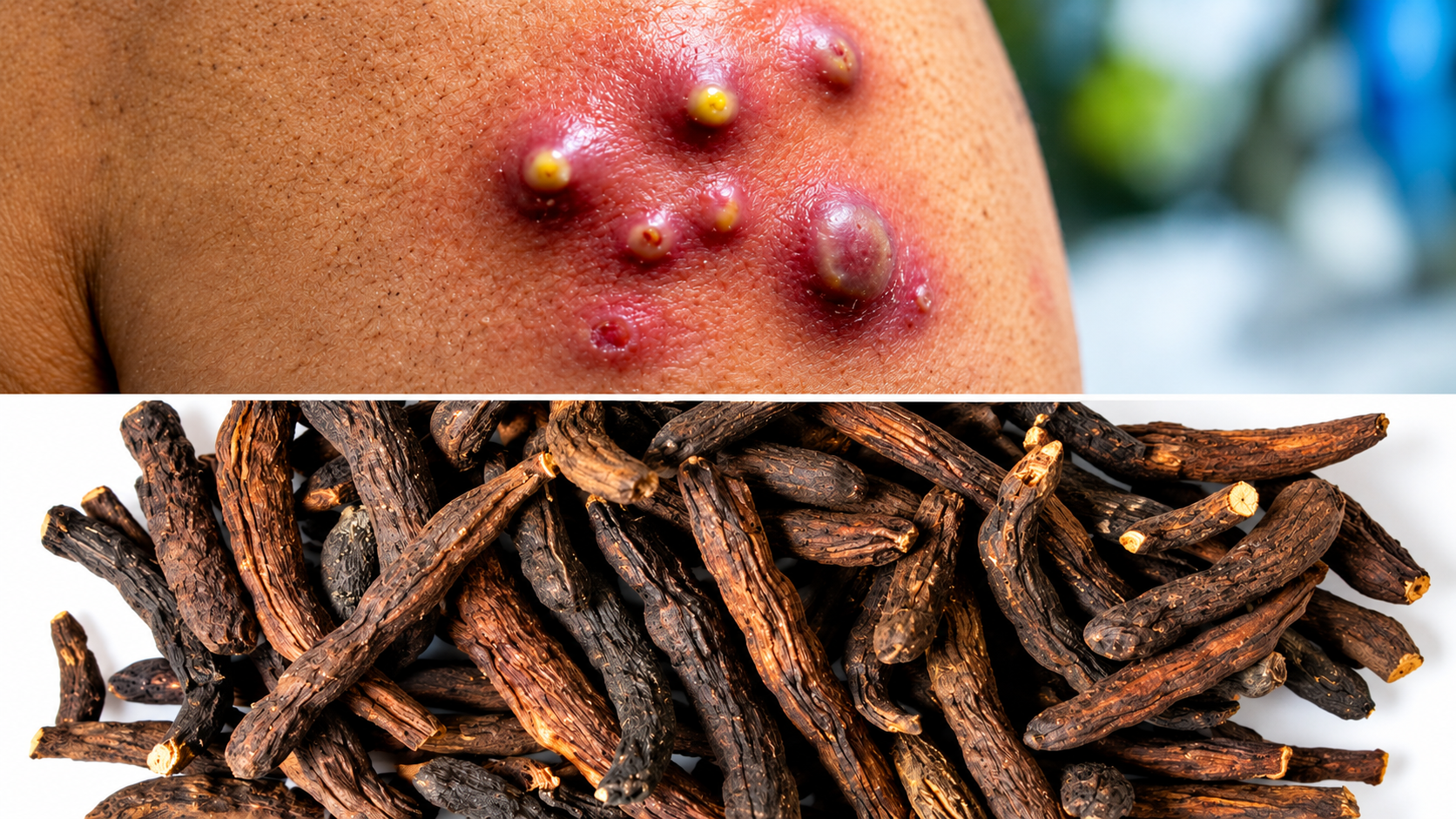
Explore the traditional use of Negro Pepper (Xylopia aethiopica) for boils and swellings through the lens of modern scie...
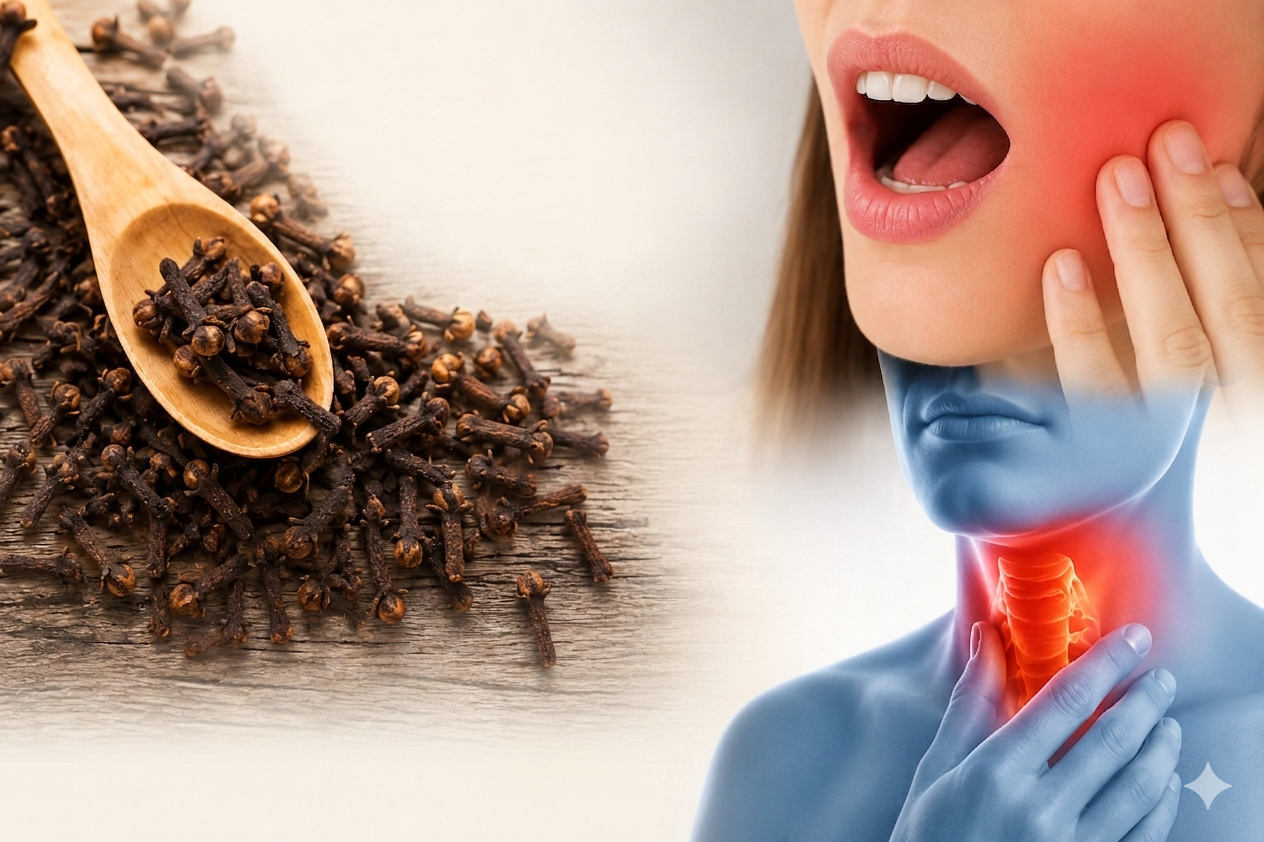
The clove tree (Syzygium aromaticum) is a medicinal plant rich in eugenol, traditionally used for mouth, nose, and throa...
Sunflower seeds may look small, but they are packed with powerful nutrients your body needs every day. In this article,...